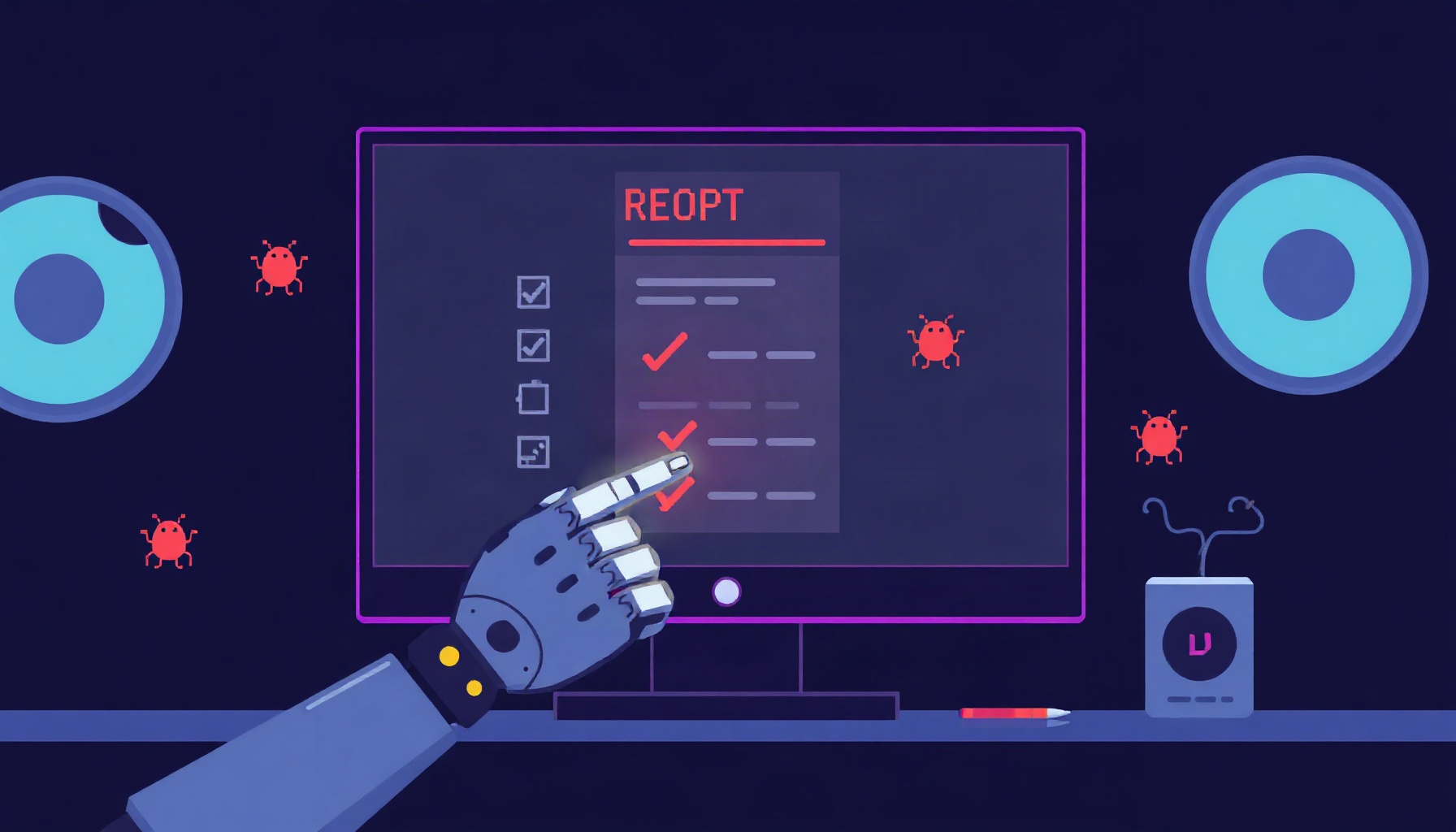
modl.ai Review 2026: Can AI Bots Test Your Game?
Looking for an AI to automate your game’s bug testing? modl.ai uses bots that play your game like a human, finding visual, performance, and logic issues automatically. It’s a powerful complement for structured mobile or narrative games, especially if you have the budget for enterprise tools. However, it isn’t a full replacement for human QA, isn’t optimized for fast-paced gameplay yet, and doesn’t support iOS, making it a specific fit for certain teams, per modl.ai’s official site.
How We Tested
This review is based on the vendor’s official product page, documentation, and published survey data — we did not run the tool hands-on. Our analysis was limited to the publicly available information from modl.ai’s website and the associated press release. We did not conduct hands-on testing with the bot runs, assess the enterprise onboarding process, test iOS support (as it is in development), or run independent speed and accuracy benchmarks against other tools. Last reviewed: August 2026.
How do AI bots test a game?
AI bots test a game by observing the screen with visual models and OCR, sending simulated inputs just like a real player would, in a complete black-box approach that requires no code changes. According to modl.ai’s official site, the bots “watch” the game like a human player, using AI to understand what’s happening on screen and interacting with the game through standard inputs, without needing access to the game’s code.
What does modl.ai actually do?
modl.ai provides AI agents that execute functional tests and performance checks at scale, generating automatic bug reports. Its core products include modl:test for functional testing using plain-language instructions like “Complete the tutorial” or “Reach level 5,” and modl:play for performance testing, alongside smoke and soak tests, per modl.ai’s contact page. The bots autonomously generate bug reports detailing visual glitches, missing assets, performance issues, and gameplay logic bugs, complete with screenshots, video logs, and AI severity scores for QA teams to review. This can be triggered from a dashboard or integrated into a CI/CD pipeline, with results pushed to your QA tools, per modl.ai’s official site.
Does modl.ai need an SDK or code changes?
No, modl.ai is integrationless and does not require any SDKs, plugins, or code hooks, operating as a pure black-box testing solution. This means QA teams can automate testing without needing engineering support to instrument the game code. The platform is designed to work by observing the game visually and interacting with it externally, as stated on modl.ai’s official site.
What platforms and game types does modl.ai support?
modl.ai currently supports Android and desktop platforms, with iOS in development, and is expanding to console and PC, excelling at mobile, match, narrative, card, and turn-based games. However, the company notes that “very fast-paced or timing-critical gameplay isn’t fully supported yet” in its FAQ. For supported genres, it creates a per-game custom-trained model, with initial training taking “less than a few days” and subsequent updates handled automatically, per modl.ai’s FAQ.
How much does modl.ai cost?
modl.ai operates an enterprise-focused pricing model, requiring contact with their sales team for custom quotes, and does not list a public pricing page. To inquire, you must use a professional business email address, as personal email domains like Gmail are not accepted, per modl.ai’s contact page. The company raised an €8.5M Series A in November 2022, led by Griffin Gaming Partners and Microsoft’s M12 venture fund, signaling significant backing for its platform development, per GamesBeat’s coverage.
Should indie devs or studios use modl.ai — and can it replace human QA?
A 2025 survey found that 77% of developers conduct less QA than necessary, while 94% believe AI will play a critical role in future QA, indicating a clear industry need for tools like modl.ai, per the State of Games QA survey. However, only 18% felt fully prepared to integrate AI, and 51% were more interested in studios using AI for QA, suggesting it is seen as a professional studio tool. For beginners, it’s a concept to explore rather than an immediate solution; pair any AI testing with human oversight and consult our AI game frameworks and AI-assisted debugging guide to build a solid foundation. For studios shipping structured mobile or narrative games, modl.ai is a strong complement to human QA, not a full replacement.
Verdict
modl.ai solves the problem of repetitive, large-scale game testing by deploying AI bots to find bugs automatically, which is especially valuable for structured mobile games with defined objectives. It does not currently support iOS or fast-paced gameplay, keeps its pricing opaque behind an enterprise sales process, and is clearly focused on larger studios over individual beginners. Beginners should start by exploring the modl.ai official site to understand the technology, and if budget allows for a structured mobile game, consider piloting it alongside human QA. To strengthen your manual testing, review our Phaser performance guide for core optimization skills.
FAQ
Is modl.ai free to use?
modl.ai does not offer a free, self-service tier; it uses an enterprise sales model requiring custom quotes via its contact page. Potential users must contact sales for pricing, which is tailored to studio needs and not publicly listed. per modl.ai’s contact page.
Can AI bots replace human game testers?
Current AI testing tools are best seen as complements to human testers, not full replacements. A 2025 survey cited on PR Newswire shows while 94% of developers see AI as critical for future QA, they still recognize gaps in areas like subjective user experience and creative bug finding, per the State of Games QA survey. AI excels at volume and repetition, while humans excel at nuance and intuition.
What kinds of games can modl.ai test?
modl.ai excels at testing structured games like mobile, match, narrative, card, and turn-based titles, according to its FAQ. However, it specifies that “very fast-paced or timing-critical gameplay isn’t fully supported yet” in its FAQ. This makes it ideal for games with clear objectives and progression but less suitable for precise, reflex-based gameplay mechanics currently.